
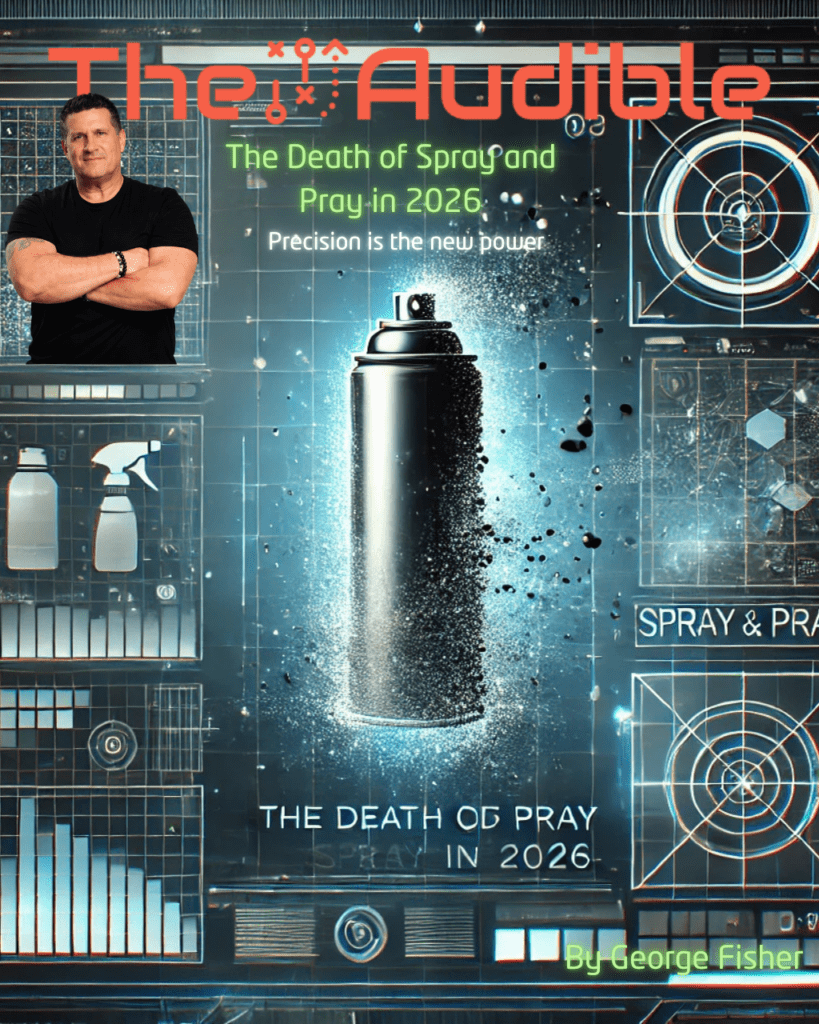
The Death of Spray and Pray in 2026
For more than a decade, B2B growth leaned on a simple idea: send enough emails, messages, and ads, and something will stick.
That era is over.
In 2026, spray and pray isn’t just inefficient. It’s actively destructive.
Spray and Pray Was Never Strategy
It was scale without intent. Buy a big list, write one generic message, automate everything, and measure success by volume instead of outcomes. For a while, it worked. Attention was cheaper. Inboxes were quieter. Buyers were still figuring out how to filter noise.
Today, buyers are professionals at ignoring you.
Why 2026 Finally Killed It
Buyers have perfect filters now. Between email filtering, LinkedIn fatigue, spam detection, and AI-powered inboxes, generic outreach doesn’t just get ignored—it gets buried. If your message isn’t immediately relevant, it never reaches a human brain.
AI made it worse, not better. 2025 was the year every sales team discovered they could automate outreach at scale. 2026 is the year buyers finished building their defenses. AI didn’t make sellers sharper. It made bad outreach louder. When everyone can send 10,000 messages a day, volume loses its advantage. The only remaining differentiator is precision.
Trust has become the real bottleneck. Markets aren’t starving for solutions—they’re starving for credibility. Spray and pray erodes trust before a conversation ever starts. Buyers associate mass outreach with low effort, low understanding, and low value. Once that impression forms, you don’t get a second chance.
Leadership is finally paying attention to the right metrics. “Emails sent” and “touches per sequence” don’t survive board meetings anymore. Pipeline quality, deal velocity, and close rates do. Spray and pray produces a lot of motion and very little progress.
What Replaces It Is Not Personalization Tokens
This isn’t about inserting first names or referencing a company’s latest press release. Buyers have seen that trick a thousand times now. They know what AI-generated “personalization” looks like, and they delete it on sight.
The replacement is intentional selling. Narrow ICPs instead of bloated lists. Fewer accounts, deeper understanding. Messages built around real business pressures. Outreach that sounds like it came from a human who did their homework.
Here’s what that actually looks like: instead of blasting 500 MSPs with the same “let’s chat about your security posture” email, you identify the 30 that just lost a major client, or hired a new CTO, or posted a job for a compliance role they’ve never had before. You reach out with something specific—an observation, a question, a point of view—that proves you understand their situation before you ever ask for time.
In 2026, the winning teams aren’t louder. They’re sharper.
Fewer Shots, Better Aim
High-performing sales teams are shifting to account-level strategies instead of lead-level blasts, signal-based outreach instead of time-based cadences, and conversation-first messaging instead of pitch-first messaging. They’re not trying to talk to everyone. They’re trying to talk to the right people at the right moment with something worth responding to.
Spray and pray feels productive. It gives the illusion of momentum. Dashboards light up. Activity spikes. Calendars stay full. But if your go-to-market motion depends on overwhelming buyers until one caves, you’re already behind.
The Bottom Line
Spray and pray didn’t die because it was immoral. It died because it stopped working.
The teams that win in 2026 will respect attention as scarce, treat relevance as a requirement instead of a bonus, and build systems that favor insight over output. The rest will keep blasting messages into the void and wondering why pipeline feels harder every quarter.
The game didn’t get more complicated. It just got more honest.